
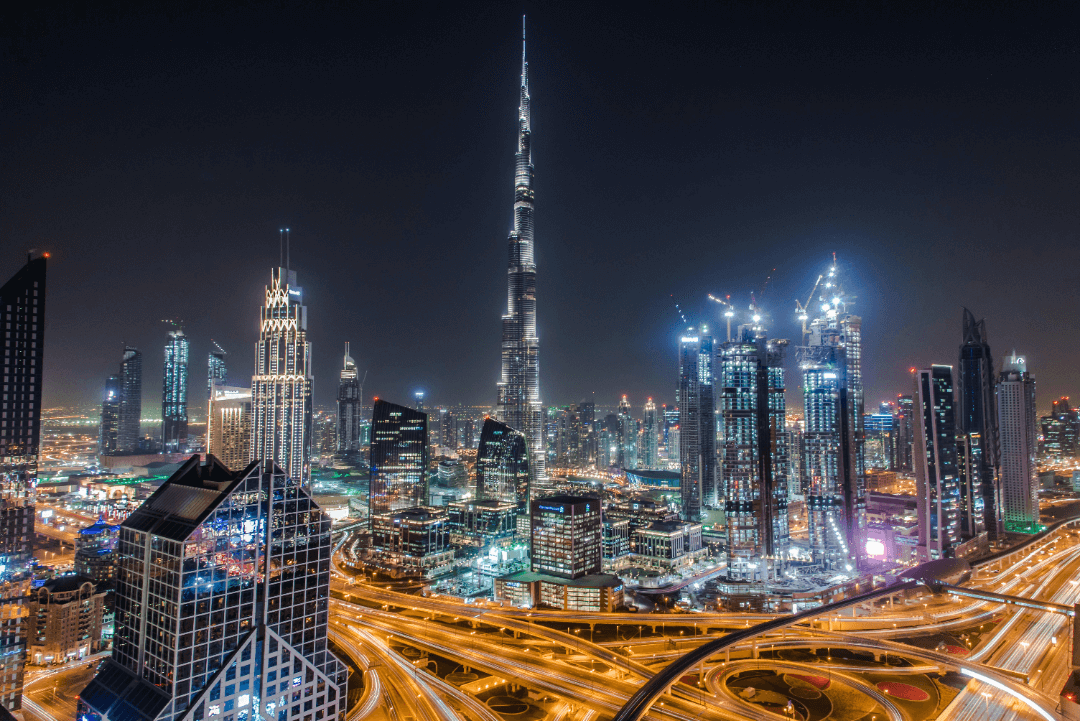
Dubai’s real estate market is entering a new phase—one defined not by broad-based gains, but by strategic positioning in infrastructure-led growth corridors. As the emirate matures into a more selective investment environment, capital is increasingly concentrating in areas backed by long-term master planning, government investment, and connectivity upgrades .
Here’s where sophisticated investors are looking in 2026.
Dubai Islands: The Coastal Frontier
With 99 projects currently under development, Dubai Islands holds the highest project count of any region in the emirate . This isn’t accidental. The coastal district represents one of Dubai’s most ambitious waterfront developments, offering over 21 kilometres of beaches and seamless integration with both Old Dubai and the city’s modern core .
What makes Dubai Islands particularly attractive to smart capital is its development stage. The area is still under construction, meaning prices remain relatively low compared to mature markets. For buyers willing to position ahead of the curve, this creates entry points before infrastructure and amenities fully activate .
Projects like Bonds Avenue Residences by Amirah Developments—offering apartments, triplexes, and penthouses with handover expected in Q1 2027—are already attracting investors who recognize the district’s long-term potential . Similarly, Sea View Residence by Sama Mayas is delivering 1 and 2-bedroom apartments and 3-bedroom duplexes, with handover scheduled for Q4 2026 .
“Once fully developed, the masterplan will drive an investment flux, leading to population growth and contributing to the economy,” said Muhammad Yousuf Jafrani, Founder and Chairman of Amirah Developments .
Dubai South: The Aerotropolis Vision
If Dubai Islands represents coastal luxury, Dubai South embodies economic scale. Planned to accommodate up to one million residents upon full completion, this district integrates residential neighborhoods, logistics hubs, commercial districts, and aviation infrastructure within a unified ecosystem .
The centerpiece is Al Maktoum International Airport, undergoing phased expansion to become the world’s largest airport with a projected capacity of up to 260 million passengers annually . This aerotropolis model is expected to attract global aviation, logistics, trade, and technology industries, generating significant employment and, consequently, housing demand.
Crown Palace by Amirah Developments, a low-rise structure drawing inspiration from classical European architecture, is one of 94 launches across the aerotropolis . The numbers are compelling: return on investment at Dubai South stands at a strong eight percent, while capital appreciation has soared to 20 percent .
From a current population of 145,000, the region is expected to host over one million residents by 2040—a considerable share of Dubai’s projected 7.8 million total . This projected growth creates a clear investment thesis: housing supply must keep pace.
Business Bay: Commercial Depth with Residential Appeal
While new frontiers attract attention, established commercial hubs continue to demonstrate resilience. Canal Heights by DAMAC Properties, designed by de GRISOGONO, exemplifies the trend toward integrated urban living in Business Bay .
Expected for completion in Q4 2026, the project will feature studio, 1 and 2-bedroom apartments with amenities including an underwater pearl museum, shell-shaped swimming pool, and multipurpose domes . Units can be purchased with a 20 percent down payment, followed by 60 percent during construction and 20 percent on handover .
Business Bay’s appeal lies in its connectivity. Located on the Dubai Canal, the area provides access to Ras Al Khor Road and Sheikh Zayed Road within 10 minutes, while Business Bay Metro Station is a 10-minute drive away . For investors, this combination of lifestyle amenities and transport infrastructure supports both capital appreciation and rental demand.
The World Islands: Ultra-Luxury Niche
At the highest end of the market, The Heart of Europe on the World Islands represents a $6 billion bet on experiential luxury . Featuring six themed islands spanning 6 million square feet, the project aims to accommodate over 16,000 tourists upon completion .
With estimated completion in Q4 2026, the development includes unique offerings such as The Floating Venice—the world’s first underwater vessel resort—and villas with underwater bedrooms offering panoramic views of coral reefs . While this segment targets a specific buyer profile, its progress signals continued confidence in Dubai’s ability to attract global ultra-high-net-worth capital.
What Smart Investors Are Watching
Market analysts note that infrastructure-driven districts typically witness sustained capital appreciation as transport networks, commercial ecosystems, and lifestyle amenities mature . In parallel, Dubai Islands is expected to benefit from increasing tourism activity, hospitality launches, and waterfront retail activation, strengthening both end-user and short-term rental demand .
Key indicators for 2026:
- Dubai Islands: 99 projects under development, prices relatively low, handovers beginning late 2026 through 2027
- Dubai South: 94 launches, 8% rental yields, 20% capital appreciation, one million residents projected by 2040
- Business Bay: Continued commercial depth, new luxury residential projects, strong connectivity
- World Islands: Ultra-luxury niche, $6 billion investment, completion targeted Q4 2026
The Bottom Line
Dubai’s real estate market in 2026 rewards selectivity. While the era of broad-based gains has moderated into a sustainability-focused growth cycle , capital is concentrating in corridors backed by infrastructure certainty and government-backed master planning .
For investors with long-term horizons, positioning in these emerging districts before full activation offers the clearest path to sustained appreciation. The question isn’t whether Dubai will continue growing—it’s whether you’re positioned in the corridors where growth will concentrate.
Whether you’re deploying capital or seeking your next home, understanding where infrastructure investment is flowing matters more than chasing broad market headlines. Contact Realty Access for perspective on specific opportunities in Dubai’s emerging growth corridors.
Realty Access Blog is committed to providing UAE real estate professionals with the strategies, insights, and tools they need to thrive in a competitive market.

Join The Discussion